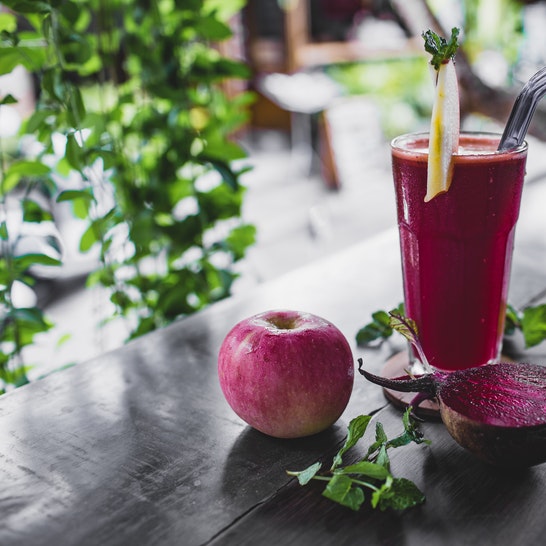
Not everyone is ready for a water fast, and not everyone needs one. A juice fast offers a middle path. Fresh vegetable and fruit juices give the body vitamins, minerals and natural sugars while the digestive system gets a much needed rest. Many people find it easier to stay active and keep working during a juice fast.
Who Juice Fasting Suits
Juice fasting is often a good starting point for people who are new to fasting, those who need to keep working, and anyone whose health history makes a water fast unwise. Dr. Bass shared many recovery stories from juice fasting in his juice and water fasting Q&A.
What Your Program Includes
- A screening review of your health history
- A juice plan built around your needs and taste
- A shopping list and simple prep instructions
- A daily schedule showing how much juice to drink and when
- Check-ins to track how you feel
- A breaking-the-fast plan to return to solid food
Vegetable Juices Versus Fruit Juices
Most plans lean on green and vegetable juices such as celery, cucumber, leafy greens and carrot. Fruit juices add flavor and energy but carry more sugar, which matters for anyone with blood sugar concerns. We balance the two based on your goals.
How Long Does a Juice Fast Last?
Programs range from three days to several weeks. Shorter programs are a good introduction. Longer ones need closer check-ins and are tailored carefully to the individual.
Done well, a juice fast can leave you lighter, clearer and more in tune with what your body really needs.