Insulin: Its Crucial Role in Chronic Illness
"This talk was given in 1995, and it is quite surprising that it is still new information today. It has long been said by experts in the field that Dr. Rosedale is a pioneer and at least 10 years ahead of the curve."
THE LEADING KILLER
Let's talk a little bit about hyperinsulinemia, because a high carbohydrate diet certainly causes high insulin levels. Hyperinsulinemia adversely affects almost all degenerative diseases. That includes coronary artery disease, hypertension, cancer, stroke, diabetes, of course, obesity, autoimmune disorders, and mental disease and decline. In fact,
I think you'll come to know, and it is not just my opinion, that it may be the chemical mediator of all of the degenerative diseases of aging. It may be the leading killer in our society. We are going to discuss what it is, what causes it, and why
I think you'll come to know, and it is not just my opinion, that it may be the chemical mediator of all of the degenerative diseases of aging. It may be the leading killer in our society. We are going to discuss what it is, what causes it, and why
POPULATIONS
They have already tried a number of different diets; let's see what happened to them. Going way back let's talk about agriculturalist, and hunter/gatherers. Anthropologists can almost immediately identify a particular society of people when they do diggings, and dig up a bunch of bones.
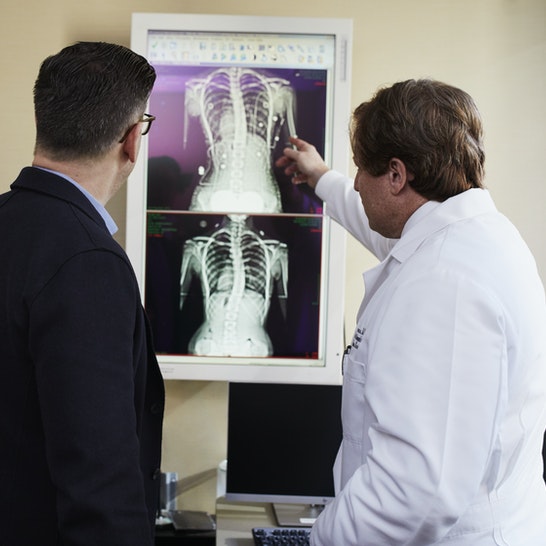
They know almost immediately whether that society was considered a hunter/gatherer, or whether they were considered agriculturalists. Agriculturalists grew grains, and they grew their food, where the hunter/gatherers lived mostly on meat. The bones, if they are nice and strong, and long, and if the teeth are in very good repair, and if the skeletons generally showed a large body-build, those are almost uniformly hunter/gatherers. The agriculturalists have much shorter bones, and their bones are much weaker. So, the assumption, and generally being very correct, is that the hunter/gatherers were the much healthier of the people.
EGYPTIANS
Let's talk about the Egyptian diet. Now, the Egyptians are kind of unique, in that they left an excellent record. There are considered to be more mummies than there are currently Egyptians, and many of these were preserved very well. Mummifying was probably the ultimate antioxidant. What did they eat? There are multiple records in the papyrus writings, and in the examinations of the digestive systems of the Egyptians were very excellent documentations of the diets of the ancient Egyptians.
What was it? Well, they ate a lot of fresh vegetables. They ate a lot of lettuce, cucumbers, garlic, onion, lentils, peas, and they used a lot of olive oil. The only oils they essentially used for cooking were olive oil and sesame oil. They used no lard. They ate a lot of bread, and the bread was made by freshly stone-grinding wheat and barley.
There were no processed foods; they didn't have cans then. They used a little bit of honey, and no refined sugar; obviously, they didn't have refined sugar then; that didn't come for another thousand years. They ate no red meat. They ate a little bit of fish, they ate some chicken, and of course, it was free-range chicken.
They ate a very low-cholesterol diet, and a very low-saturated fat diet. Does this diet sound familiar? Sounds like a diet that was previously recommended in this mornings talk as being a very excellent and healthy diet. I mean, you couldn't go into a health food store and buy that good a diet.
So, what was the health of these people like? Well, a gentleman by the name of Iden Cogburn, who is the founder of the Paleopathology Association (this is a group of pathologists and other physicians who are very interested in studying scientifically the remains of ancient societies), wrote a book called MUMMIES, DISEASE, AND ANCIENT CULTURES. I'd like to quote him:
"Atheromatous disease of the arteries is a common finding in mummies. Nowadays, a great deal of emphasis is placed on the stress of modern life. Once modern diet is factored in the high incidence of this disorder in our present-day industrialized civilization, but the etiological influences were certainly there in the ancient world, and this thought should be taken into account in any theorizing regarding causation."
It is well known that ancient Egyptians had a very high incidence of coronary disease. In analyzing the arteries, and they had a high incidence of calcified plaque in the arteries, and these people did not live long. They died young; even at a young age, their plaque was highly calcified, indicating it had been there for a while.
We also know that they had hypertension, and they had rampant obesity. These people were not thin like you see in writings. Now of course, when we take pictures in magazines, we only take pictures of beautiful, live models. The ancient Egyptians were actually an obese society.
They also had very poor dental hygiene. They had a lot of infection, a lot of parasites, and they were not a healthy society, and yet, they ate a diet that would be the choice of diet that is currently recommended. The diet that the Egyptians ate, and the diet that is currently recommended, is a high-carbohydrate diet. Now, their diet was a very high complex carbohydrate diet; there was nothing refined at all about it, yet they were not very healthy. This is uniformly found in ancient cultures.
What was it? Well, they ate a lot of fresh vegetables. They ate a lot of lettuce, cucumbers, garlic, onion, lentils, peas, and they used a lot of olive oil. The only oils they essentially used for cooking were olive oil and sesame oil. They used no lard. They ate a lot of bread, and the bread was made by freshly stone-grinding wheat and barley.
There were no processed foods; they didn't have cans then. They used a little bit of honey, and no refined sugar; obviously, they didn't have refined sugar then; that didn't come for another thousand years. They ate no red meat. They ate a little bit of fish, they ate some chicken, and of course, it was free-range chicken.
They ate a very low-cholesterol diet, and a very low-saturated fat diet. Does this diet sound familiar? Sounds like a diet that was previously recommended in this mornings talk as being a very excellent and healthy diet. I mean, you couldn't go into a health food store and buy that good a diet.
So, what was the health of these people like? Well, a gentleman by the name of Iden Cogburn, who is the founder of the Paleopathology Association (this is a group of pathologists and other physicians who are very interested in studying scientifically the remains of ancient societies), wrote a book called MUMMIES, DISEASE, AND ANCIENT CULTURES. I'd like to quote him:
"Atheromatous disease of the arteries is a common finding in mummies. Nowadays, a great deal of emphasis is placed on the stress of modern life. Once modern diet is factored in the high incidence of this disorder in our present-day industrialized civilization, but the etiological influences were certainly there in the ancient world, and this thought should be taken into account in any theorizing regarding causation."
It is well known that ancient Egyptians had a very high incidence of coronary disease. In analyzing the arteries, and they had a high incidence of calcified plaque in the arteries, and these people did not live long. They died young; even at a young age, their plaque was highly calcified, indicating it had been there for a while.
We also know that they had hypertension, and they had rampant obesity. These people were not thin like you see in writings. Now of course, when we take pictures in magazines, we only take pictures of beautiful, live models. The ancient Egyptians were actually an obese society.
They also had very poor dental hygiene. They had a lot of infection, a lot of parasites, and they were not a healthy society, and yet, they ate a diet that would be the choice of diet that is currently recommended. The diet that the Egyptians ate, and the diet that is currently recommended, is a high-carbohydrate diet. Now, their diet was a very high complex carbohydrate diet; there was nothing refined at all about it, yet they were not very healthy. This is uniformly found in ancient cultures.
ESKIMOS
I would also like to take a look at the Eskimos. The Eskimos eat a diet that for most people would be considered horrendous. Anywhere between 70 to 90% of the calories derived in Eskimo diets are from fat, depending on the season. Sometimes they will eat a high-protein diet, high protein or fat. They eat very little carbohydrates. In wintertime, they eat no carbohydrates. Coronary disease is almost unknown; so is diabetes. Look it up!
INSULIN
Well, let's talk about insulin.
Insulin really is the master hormone of metabolism. It tells our energy where to go, and what to do, and how to do it. It regulates our energy intake. When you're talking about obesity, and when you're talking about anything that has to do with fat, or coronary disease, you cannot ignore insulin. It's there to tell that fat where to go, and how to get there. Of course, we know it is made in the pancreas, in the beta cells of the islet cells of the pancreas, it is initially stored as granules, and those granules are released when there is a sensation of blood sugar, and that quick release is lost in type II diabetes. I'll kind of breeze over this; I don't want to dwell too much on some of this. One thing I do want to mention is, in the molecule itself, there is a small peptide called C-peptide, and that C-peptide is cleaved when it is released into the blood stream. You can use that little peptide to determine how much insulin a pancreas is putting out. So, if you have a patient who is on insulin, how can you tell if their own pancreas is working? How much insulin are they actually manufacturing themselves, without getting poisoned by exogenous insulin? Well, you can measure the C-peptide level, and you can know whether they are producing their own insulin or not. That is a very important test, because that is going to tell you ultimately whether that person really needs to be on insulin or not.
Let's look at the evolutionary role of insulin.
Why is insulin really there? You talk about insulin, and you think about decreasing blood sugar, and insulin is there to lower blood sugar. I wasn't around at the time, but I don't think that was really the reason that insulin came about. I mean, insulin really came about to manufacture, and to regulate energy. Way back when, I don't think lowering blood sugar was a major problem; there wasn't that much of it. There wasn't much carbohydrate out there; nobody had sugar. Nobody ate Twinkies. We have one hormone to lower blood sugar – that's insulin. We've got a bunch of them to raise blood sugar. I maintain that it was actually increasing blood sugar that was our main problem. Our brain burns glucose. There are a few tissues in our body that actually prefer to burn sugar; that's our RBC's, our retinas, and certain tissues in our gonads. The rest of the body would prefer to burn fat, but it is due to the tissue's requiring glucose that we need to maintain a certain level of blood sugar, and so we have developed multiple hormones to keep the sugar up, if we are not taking in very much carbohydrate, which, millions of years ago, just wasn't there.
Insulin really is the master hormone of metabolism. It tells our energy where to go, and what to do, and how to do it. It regulates our energy intake. When you're talking about obesity, and when you're talking about anything that has to do with fat, or coronary disease, you cannot ignore insulin. It's there to tell that fat where to go, and how to get there. Of course, we know it is made in the pancreas, in the beta cells of the islet cells of the pancreas, it is initially stored as granules, and those granules are released when there is a sensation of blood sugar, and that quick release is lost in type II diabetes. I'll kind of breeze over this; I don't want to dwell too much on some of this. One thing I do want to mention is, in the molecule itself, there is a small peptide called C-peptide, and that C-peptide is cleaved when it is released into the blood stream. You can use that little peptide to determine how much insulin a pancreas is putting out. So, if you have a patient who is on insulin, how can you tell if their own pancreas is working? How much insulin are they actually manufacturing themselves, without getting poisoned by exogenous insulin? Well, you can measure the C-peptide level, and you can know whether they are producing their own insulin or not. That is a very important test, because that is going to tell you ultimately whether that person really needs to be on insulin or not.
Let's look at the evolutionary role of insulin.
Why is insulin really there? You talk about insulin, and you think about decreasing blood sugar, and insulin is there to lower blood sugar. I wasn't around at the time, but I don't think that was really the reason that insulin came about. I mean, insulin really came about to manufacture, and to regulate energy. Way back when, I don't think lowering blood sugar was a major problem; there wasn't that much of it. There wasn't much carbohydrate out there; nobody had sugar. Nobody ate Twinkies. We have one hormone to lower blood sugar – that's insulin. We've got a bunch of them to raise blood sugar. I maintain that it was actually increasing blood sugar that was our main problem. Our brain burns glucose. There are a few tissues in our body that actually prefer to burn sugar; that's our RBC's, our retinas, and certain tissues in our gonads. The rest of the body would prefer to burn fat, but it is due to the tissue's requiring glucose that we need to maintain a certain level of blood sugar, and so we have developed multiple hormones to keep the sugar up, if we are not taking in very much carbohydrate, which, millions of years ago, just wasn't there.
GLUCOSE HOMEOSTASIS
Let's talk quickly about glucose homeostasis. You eat sugar, you eat carbohydrates, cause an increase in blood sugar, at least to the release of insulin from the pancreas, and the production of the insulin in the pancreas, which is important. That goes right to the liver, which shuts off hepatic gluconeogenesis. That is a very important concept. One of the main effects of insulin is to turn off the liver's production of glucose, and we will get to that a little bit later, too.
The sugar goes to the receptors throughout the body, especially fat and muscle cells, and that stimulates the number of reactions which cause glucose uptake and utilization, glycogen synthesis, and then decreased serum glucose, straight forward. Now, what happens when you have a high-carbohydrate meal? That causes the output of quite a bit of insulin. This causes a lot of large numbers – large numbers, large mistakes. You eat a bunch of carbohydrates, this forms a bunch of blood sugar, and your pancreas senses that you've got a very high blood sugar level, so it just dumps all those insulin granules, to try and get that blood sugar stored. That can cause generally an overshoot, and the sugar goes a bit too low.
Now, what happens? Your body puts out the multitude of regulatory hormones to increase blood sugar that has evolved over the years, many years ago. Glucagon, and in particular cortisone, epinephrine, and growth hormone, to some extent. That is a frequent cause of stress.
The sugar goes to the receptors throughout the body, especially fat and muscle cells, and that stimulates the number of reactions which cause glucose uptake and utilization, glycogen synthesis, and then decreased serum glucose, straight forward. Now, what happens when you have a high-carbohydrate meal? That causes the output of quite a bit of insulin. This causes a lot of large numbers – large numbers, large mistakes. You eat a bunch of carbohydrates, this forms a bunch of blood sugar, and your pancreas senses that you've got a very high blood sugar level, so it just dumps all those insulin granules, to try and get that blood sugar stored. That can cause generally an overshoot, and the sugar goes a bit too low.
Now, what happens? Your body puts out the multitude of regulatory hormones to increase blood sugar that has evolved over the years, many years ago. Glucagon, and in particular cortisone, epinephrine, and growth hormone, to some extent. That is a frequent cause of stress.
INSULIN PHYSIOLOGY
Okay, let's talk a little about insulin physiology.
What does it do? You talk insulin, you could talk to an endocrinologist. "What does insulin do?" "It lowers your blood sugar." Yeah, but you'll see, it does a lot more. It increases fat storage and uptake through an enzyme called lipoprotein lipase. A ton of research right now is going on lipoprotein lipase; insulin turns it on. You cannot get fat without it. Lipoprotein lipase allows fatty acids to get into cells. Basically, what it does, is it takes the fatty acids from triglycerides. Triglycerides themselves cannot get right into a fat cell. It has to be broken down into fatty acids. The fatty acids then enter the adipose tissue, and then turn into fat. Lipoprotein lipase is turned on, and you get fat. It is a very important enzyme.
Insulin decreases gluconeogenesis in the liver. That is really, in a 24-hour period, how insulin lowers your blood sugar, not so much by transporting into cells. Your total amount of blood sugar in a 24-hour period is increased more by gluconeogenesis in the liver than it is by your dietary intake. The regulation of gluconeogenesis by insulin is extremely important. We'll get to that a little bit later. It increases the amino acids in the muscle tissue. Insulin is an anabolic hormone. It is a very powerful anabolic hormone! Growth hormone works very minimally without insulin. The two work together. Growth hormone and insulin allow different amino acids in the cells. Without both of them, you really cannot get a complete protein into your cells. Weight lifters are starting to recognize this, because insulin is not banned. It increases fat storage, especially visceral and abdominal, and that's very important. That is where it packs the fat. We'll talk about that in a little bit.
I don't know if you heard about the apple shape and the pear shape. Apple shape is much more detrimental to your health, especially in women. That's where you get fat belies. You get fat thighs, and you might not look so great, but you're not hurting your health as much. Insulin puts it in your belly, packs it in your liver, packs it in your kidneys, and inhibits function.
What does it do? You talk insulin, you could talk to an endocrinologist. "What does insulin do?" "It lowers your blood sugar." Yeah, but you'll see, it does a lot more. It increases fat storage and uptake through an enzyme called lipoprotein lipase. A ton of research right now is going on lipoprotein lipase; insulin turns it on. You cannot get fat without it. Lipoprotein lipase allows fatty acids to get into cells. Basically, what it does, is it takes the fatty acids from triglycerides. Triglycerides themselves cannot get right into a fat cell. It has to be broken down into fatty acids. The fatty acids then enter the adipose tissue, and then turn into fat. Lipoprotein lipase is turned on, and you get fat. It is a very important enzyme.
Insulin decreases gluconeogenesis in the liver. That is really, in a 24-hour period, how insulin lowers your blood sugar, not so much by transporting into cells. Your total amount of blood sugar in a 24-hour period is increased more by gluconeogenesis in the liver than it is by your dietary intake. The regulation of gluconeogenesis by insulin is extremely important. We'll get to that a little bit later. It increases the amino acids in the muscle tissue. Insulin is an anabolic hormone. It is a very powerful anabolic hormone! Growth hormone works very minimally without insulin. The two work together. Growth hormone and insulin allow different amino acids in the cells. Without both of them, you really cannot get a complete protein into your cells. Weight lifters are starting to recognize this, because insulin is not banned. It increases fat storage, especially visceral and abdominal, and that's very important. That is where it packs the fat. We'll talk about that in a little bit.
I don't know if you heard about the apple shape and the pear shape. Apple shape is much more detrimental to your health, especially in women. That's where you get fat belies. You get fat thighs, and you might not look so great, but you're not hurting your health as much. Insulin puts it in your belly, packs it in your liver, packs it in your kidneys, and inhibits function.
CHRONIC HIGH-CARBOHYDRATE DIET
It increases plasminogen activator inhibitor, and increases fibrinogen. It happens when we go on a chronic high-carbohydrate diet. This is new to humans. It's an experiment. We've really been on a high-carbohydrate diet. We haven't been there, not until we started cultivating lots of grains. What was around way back when, during cave man times, or whatever you call it. There is a lot of debate; were we animal eaters, or were we plant eaters. Frankly, I don't think we cared. We just wanted to eat what was there. We ate a lot of plants. We have to examine our anatomy, the length of our intestines, our jaw, our teeth. We were somewhere between a carnivore and an herbivore. We ate both, probably a bit more toward plants because they didn't run away. They were easier to get to. We ate a lot of plants. If there was a wounded animal, we'd eat it. We didn't eat a bowl of rice. We didn't eat a big bowl of pasta. We didn't eat two loaves of bread; it wasn't there. So, now, we're eating a high-carbohydrate diet. That causes insulin resistance, and there is a lot of work being done.
HYPERINSULINEMIA
Saturated fats are known to increase insulin resistance – well known. There you go with blood sugar again. Your liver makes saturated fats out of excess blood sugar. The type of fat that your liver makes from excess sugar is a fully saturated fat. It's not a good healthy fat; it's a sticky, unhealthy, saturated fat; the kind you were avoiding when you ate the nonfat Fig Newton, and increasing your carbohydrates, and you just manufactured that saturated fat you were trying to avoid, but in doing so, you also increased your insulin. Is there a genetic component to insulin resistance? Well, maybe, that's really under debate, too.
There was a recent study one to two months ago in Science And Medicine that showed that insulin resistance can actually begin in utero. The mother is eating a high-carbohydrate diet, eating a lot of sugar, — partial beta cell burnout in the fetus. Perhaps it's not so genetic. It is also known that low polyunsaturated fats increase insulin resistance. Supplementing with good polyunsaturated fat, omega 3, increases insulin sensitivity, and does so quite strongly. I cannot really go into the talk about fats, because there is s lot of controversy, but the controversy really arises in that fats can either be the healthiest component of your diet, or the most toxic.
Polyunsaturated fats oxidize readily. Now try to remove it. When you go into a grocery store, you cannot find a good polyunsaturated fat; they have to take it out because it oxidizes so readily; it has no shelf life. It has to be protected. Your body has a ton of mechanisms to protect the polyunsaturated fats from becoming oxidized, and that's really the main purpose of vitamin E. It's incorporated into the cellular membranes right along with the polyunsaturated fat. This is a very important concept: Polyunsaturated fats are good for you; they just have to be protected. One saying to avoid polyunsaturated fats because it can oxidize readily is like saying avoid oxygen because it can oxygenate tissues. It's crazy.
There was a recent study one to two months ago in Science And Medicine that showed that insulin resistance can actually begin in utero. The mother is eating a high-carbohydrate diet, eating a lot of sugar, — partial beta cell burnout in the fetus. Perhaps it's not so genetic. It is also known that low polyunsaturated fats increase insulin resistance. Supplementing with good polyunsaturated fat, omega 3, increases insulin sensitivity, and does so quite strongly. I cannot really go into the talk about fats, because there is s lot of controversy, but the controversy really arises in that fats can either be the healthiest component of your diet, or the most toxic.
Polyunsaturated fats oxidize readily. Now try to remove it. When you go into a grocery store, you cannot find a good polyunsaturated fat; they have to take it out because it oxidizes so readily; it has no shelf life. It has to be protected. Your body has a ton of mechanisms to protect the polyunsaturated fats from becoming oxidized, and that's really the main purpose of vitamin E. It's incorporated into the cellular membranes right along with the polyunsaturated fat. This is a very important concept: Polyunsaturated fats are good for you; they just have to be protected. One saying to avoid polyunsaturated fats because it can oxidize readily is like saying avoid oxygen because it can oxygenate tissues. It's crazy.
WHAT'S THE PROBLEM?
What's the problem with hyperinsulinemia, insulin resistance, and why it is so bad? Well, the obvious problem is diabetes. We'll talk just a little bit about diabetes. Diabetes type I is a different story and the two diabetes are really two totally different diseases with the same name. Diabetes type I is where the beta cells are destroyed. There is a strong autoimmune component, and there are autoimmune antibodies that are floating around, and something destroys the beta cells. Nobody is sure what it is; maybe it's a virus. A lot of people implicate weak protein, but there is some sort of autoimmune reactions that is wiping out the beta cells. A true type I has very little autogenous insulin production, and that person is likely going to need insulin the rest of their life. Insulin is necessary, it's not all bad, it is an anabolic hormone. You need it for muscle systhesis.
Now, type II is a totally different story. The large majority of diabetics are type II. It is an acquired disease. It's caused by insulin resistance; it is when insulin reduction can no longer keep up with insulin resistance. Type II diabetics produce too much insulin; I should say they produce much more insulin than the non-diabetic. It's not a problem with not producing enough insulin, it's a problem with insulin resistance, as cells aren't listening, and so, the pancreas has to put out a ton of insulin to get the job done. If you want to go into details, you're considered a diabetic if your fasting blood sugar is greater than 140, or if it is greater than 200 within the first two hours of glucose tolerance testing. I'm not big on numbers, but that means that if your fasting blood sugar is 139, you're non-diabetic. Now, that increased insulin resistance causes an increase in hepatic glucose production. It's no longer inhibited by the insulin. That's very important, because the pancreas is free to churn out sugar, and continues to make a lot of sugar. It is a sugar-making factory, and does so mostly from amino acids. Again, most of the blood sugar in a 24-hour period is from hepatic production, not immediately from your diet.
One of the definitions of type II diabetes is that it is a disorder in control of gluconeogenesis normally inhibited by insulin. There is also decreased muscle and fat glucose uptake, and also not on there, there is a decrease in the amino acid uptake in muscles, when you have insulin resistance. It's very important, it gives you a fine, end-stage diabetic when the cells are no longer listening to insulin, and they cannot absorb amino acids, and they become muscle-depleted, approaching wasting.
Now, type II is a totally different story. The large majority of diabetics are type II. It is an acquired disease. It's caused by insulin resistance; it is when insulin reduction can no longer keep up with insulin resistance. Type II diabetics produce too much insulin; I should say they produce much more insulin than the non-diabetic. It's not a problem with not producing enough insulin, it's a problem with insulin resistance, as cells aren't listening, and so, the pancreas has to put out a ton of insulin to get the job done. If you want to go into details, you're considered a diabetic if your fasting blood sugar is greater than 140, or if it is greater than 200 within the first two hours of glucose tolerance testing. I'm not big on numbers, but that means that if your fasting blood sugar is 139, you're non-diabetic. Now, that increased insulin resistance causes an increase in hepatic glucose production. It's no longer inhibited by the insulin. That's very important, because the pancreas is free to churn out sugar, and continues to make a lot of sugar. It is a sugar-making factory, and does so mostly from amino acids. Again, most of the blood sugar in a 24-hour period is from hepatic production, not immediately from your diet.
One of the definitions of type II diabetes is that it is a disorder in control of gluconeogenesis normally inhibited by insulin. There is also decreased muscle and fat glucose uptake, and also not on there, there is a decrease in the amino acid uptake in muscles, when you have insulin resistance. It's very important, it gives you a fine, end-stage diabetic when the cells are no longer listening to insulin, and they cannot absorb amino acids, and they become muscle-depleted, approaching wasting.
CONSEQUENCES OF HYPERINSULINEMIA
What are the consequences of hyperinsulinemia?
There are a lot of names for hyperinsulinemia. Syndrome X you might have heard about, and we call it CAOS, which stands for coronary artery disease, hypertension, hyperlipidemia, adult onset diabetes, obesity, and stroke. I just call it the IRS, insulin resistant syndrome; I'm not sure which is worse. There are extreme cardiovascular and cerebrovascular complications. This has been known for a long time. It takes a long time for information to get down the pipeline.
Inatola Cruz did what at the time was a very famous study. Most of us, and most cardiologists, and endocrinologists have totally forgotten about this. This was done in 1961, and published in the journal CIRCULATION RESEARCH. It was titled "The effect of Intra-arterial Insulin on Tissue Cholesterol, And Fatty Acids In Diabetic Dogs." They made dogs diabetics, and they infused insulin into the femoral arteries of those dogs for eight months. They sacrificed the dogs and examined them, and lo and behold, the femoral artery that had the insulin effused was covered with fatty streaks. The contralateral femoral artery was clear
There are a lot of names for hyperinsulinemia. Syndrome X you might have heard about, and we call it CAOS, which stands for coronary artery disease, hypertension, hyperlipidemia, adult onset diabetes, obesity, and stroke. I just call it the IRS, insulin resistant syndrome; I'm not sure which is worse. There are extreme cardiovascular and cerebrovascular complications. This has been known for a long time. It takes a long time for information to get down the pipeline.
Inatola Cruz did what at the time was a very famous study. Most of us, and most cardiologists, and endocrinologists have totally forgotten about this. This was done in 1961, and published in the journal CIRCULATION RESEARCH. It was titled "The effect of Intra-arterial Insulin on Tissue Cholesterol, And Fatty Acids In Diabetic Dogs." They made dogs diabetics, and they infused insulin into the femoral arteries of those dogs for eight months. They sacrificed the dogs and examined them, and lo and behold, the femoral artery that had the insulin effused was covered with fatty streaks. The contralateral femoral artery was clear
ANOTHER STUDY
Another study was done by R. W. Stout, who is still doing a lot of research. This is published in the BRITISH MEDICAL JOURNAL IN 1970. This is entitled "The Development of Vascular Lesions In Insulin Treated Animals Fed A Normal Diet." This was done in Belfast.
"We took chickens, and we injected them with insulin for 19 weeks. We chose chickens because birds develop similar atherosclerosis as humans, and chickens in particular, because they are omnivorous. After 19 weeks, he examined their aortas, and found that there was a great increase in lipid deposits in the aortas of the insulin treated chickens as opposed to the ones who didn't have insulin. He quotes that this provides further evidence in favor of the hypothesis that insulin and atheroma are causally related." This was in 1970. He is continuing to do research, and he published another summation. This is in DIABETES CARE, 1990.
"Long-term treatment of insulin results in lipid-containing lesions and thickening of the arterial wall in experimental animals." This time, they are talking about human trials.
"Insulin often inhibits regression of diet-induced experimental atherosclerosis, and insulin insufficiency inhibits the development of arterial lesions. Insulin stimulates lipid synthesis in arterial tissue."
A quick chart, and I will not draw on it too long, but it shows the rise in incidence of coronary disease, with fasting serum insulin. One-vessel, two-vessel disease, fasting insulin rises.
Gerald Ravin is one of the pioneers in insulin resistance research, and I won't dwell too long on this, but he is talking about some of the diseases that are clustered in insulin resistance. It talks about hypertension, glucose intolerance, hyperglycemia, upper body obesity, and they found out further now that there is a – hypertension resistance to the insulin hyperinsulinemia, glucose intolerance, increased VLDL triglyceride, reduced HDL cholesterol activator inhibitor, and fibrinogen levels.
"We took chickens, and we injected them with insulin for 19 weeks. We chose chickens because birds develop similar atherosclerosis as humans, and chickens in particular, because they are omnivorous. After 19 weeks, he examined their aortas, and found that there was a great increase in lipid deposits in the aortas of the insulin treated chickens as opposed to the ones who didn't have insulin. He quotes that this provides further evidence in favor of the hypothesis that insulin and atheroma are causally related." This was in 1970. He is continuing to do research, and he published another summation. This is in DIABETES CARE, 1990.
"Long-term treatment of insulin results in lipid-containing lesions and thickening of the arterial wall in experimental animals." This time, they are talking about human trials.
"Insulin often inhibits regression of diet-induced experimental atherosclerosis, and insulin insufficiency inhibits the development of arterial lesions. Insulin stimulates lipid synthesis in arterial tissue."
A quick chart, and I will not draw on it too long, but it shows the rise in incidence of coronary disease, with fasting serum insulin. One-vessel, two-vessel disease, fasting insulin rises.
Gerald Ravin is one of the pioneers in insulin resistance research, and I won't dwell too long on this, but he is talking about some of the diseases that are clustered in insulin resistance. It talks about hypertension, glucose intolerance, hyperglycemia, upper body obesity, and they found out further now that there is a – hypertension resistance to the insulin hyperinsulinemia, glucose intolerance, increased VLDL triglyceride, reduced HDL cholesterol activator inhibitor, and fibrinogen levels.
INSULIN CAUSES OBESITY
"Hyperinsulinemic subjects are found to be relatively glucose intolerant, have higher triglyceride and uric acid concentrations in blood pressure, lower HDL cholesterol when compared with normal insulinemic individuals, but importantly, the difference in the degree of obesity had little affect on the variables measured when individuals were matched for insulin response." In other words, it's not their obesity that's causing this. That is an important article.
Insulin causes obesity. Obesity can also lead to insulin resistance, but it isn't the obesity that is causing the hypertension, and all these other problems; it's the insulin. This is from David Belle.
"Insulin resistance, an often unrecognized problem, accompanying chronic medical disorders. Several population studies have shown that hyperinsulinemia is the independent risk factor for atheroschlerosis." I think we are figuring that out. "Insulin resistance is associated with a number of risk factors for atherosclerisis, including glucose intolerance, hypertension, and dyslipidemia. Management should include attempts to reduce insulin resistance, and certainly not increase it." Remember that! This is another article that we will get to a little bit later.
This is a very recent article, January 1996. This is a Japanese group, out of Osaka, Japan, that decided to do angiograms, and measure insulin. They put it in language that cardiologists can understand. They can understand angiograms, and anything else is a foreign language.
Insulin causes obesity. Obesity can also lead to insulin resistance, but it isn't the obesity that is causing the hypertension, and all these other problems; it's the insulin. This is from David Belle.
"Insulin resistance, an often unrecognized problem, accompanying chronic medical disorders. Several population studies have shown that hyperinsulinemia is the independent risk factor for atheroschlerosis." I think we are figuring that out. "Insulin resistance is associated with a number of risk factors for atherosclerisis, including glucose intolerance, hypertension, and dyslipidemia. Management should include attempts to reduce insulin resistance, and certainly not increase it." Remember that! This is another article that we will get to a little bit later.
This is a very recent article, January 1996. This is a Japanese group, out of Osaka, Japan, that decided to do angiograms, and measure insulin. They put it in language that cardiologists can understand. They can understand angiograms, and anything else is a foreign language.
IN CONCLUSION
"In conclusion, these data suggest that in patients with coronary artery disease, insulin-medicated glucose metabolism is significantly impaired, and correlation is noted between insulin resistance and severity of coronary artery disease. Hyperinsulinemia may stimulate the artheromatous process." This is in DIABETES CARE, January 1996.
What about obesity? Insulin makes you fat. Insulin is an anabolic hormone. It is a storage hormone. Its' main purpose in life is to store energy. Another important aspect of insulin is that it inhibits lipolysis very strongly. It wants you to store that energy, and it doesn't want you to burn it. It's a protective mechanism. Food, way back when in caveman times, wasn't abundant all the time. It was feast or famine. We had a lot of it sometime, and we didn't have a lot of it sometimes, especially in the wintertime. Insulin is really developed to store that energy. It was a protective mechanism. Insulin causes an increased abdominal fat. It is an independent risk factor. Apple versus pear shape; we talked about being an independent risk factor. Insulin increases fat cell number. That is important.
What about obesity? Insulin makes you fat. Insulin is an anabolic hormone. It is a storage hormone. Its' main purpose in life is to store energy. Another important aspect of insulin is that it inhibits lipolysis very strongly. It wants you to store that energy, and it doesn't want you to burn it. It's a protective mechanism. Food, way back when in caveman times, wasn't abundant all the time. It was feast or famine. We had a lot of it sometime, and we didn't have a lot of it sometimes, especially in the wintertime. Insulin is really developed to store that energy. It was a protective mechanism. Insulin causes an increased abdominal fat. It is an independent risk factor. Apple versus pear shape; we talked about being an independent risk factor. Insulin increases fat cell number. That is important.
TESTIMONIAL
Just a bit about myself, I was 221 lbs and 5'10 at age 40. I rode my bicycle to work 30 miles a day and lifted weights but I over ate. I realized that I was not able to roll around on the floor and play with my kids and that something had to change so I started on a path to reinventing myself.
First thing I did was eliminate grains from my diet. I found an old Vince Gironda book for bodybuilders and went all meat and vegetables, eating six times a day in small portions. Tried a lot of other things but eliminating grains has been the mainstay of my diet.
I got into Fast-5 intermittent fasting about three years ago and have been able to maintain 170-173lbs now for a couple of years. But I was stuck there. I read your post on paleohacks and got your book back off the shelf. I'm still doing Fast-5 (five hour window in the evening) along with your recommendations for no more than 15-20g protein at a sitting, increasing nuts, avocados, sardines, salmon, etc, and I've dropped TEN POUNDS in three weeks! And I'm never hungry!!
I'm at 163 now and could easily lose a few more to get more ripped and muscular than I've ever been in my life. Gary Taubes had said to eat as much meat as you want and cut the carbs down as far as you can. That works for a normal person, but I want to be defined and "ripped". I was actually on ZERO carb for three months but my weight stayed at 170 and I still craved peanut butter and alcohol.
Now that I'm on your program, I'm never hungry, have no cravings, and I drink one carefully metered glass of red wine with dinner! I'm so happy! I can't believe I look so good at 45 years old!
First thing I did was eliminate grains from my diet. I found an old Vince Gironda book for bodybuilders and went all meat and vegetables, eating six times a day in small portions. Tried a lot of other things but eliminating grains has been the mainstay of my diet.
I got into Fast-5 intermittent fasting about three years ago and have been able to maintain 170-173lbs now for a couple of years. But I was stuck there. I read your post on paleohacks and got your book back off the shelf. I'm still doing Fast-5 (five hour window in the evening) along with your recommendations for no more than 15-20g protein at a sitting, increasing nuts, avocados, sardines, salmon, etc, and I've dropped TEN POUNDS in three weeks! And I'm never hungry!!
I'm at 163 now and could easily lose a few more to get more ripped and muscular than I've ever been in my life. Gary Taubes had said to eat as much meat as you want and cut the carbs down as far as you can. That works for a normal person, but I want to be defined and "ripped". I was actually on ZERO carb for three months but my weight stayed at 170 and I still craved peanut butter and alcohol.
Now that I'm on your program, I'm never hungry, have no cravings, and I drink one carefully metered glass of red wine with dinner! I'm so happy! I can't believe I look so good at 45 years old!